







Search Results for: three-temperature pour-over

Three-Temperature Pour-Over Method Explained: A Complete Guide to Variable-Temperature Staged Extraction Workflow and Parameters
Among the many variables in pour-over coffee, water temperature is often seen as the most conservative one—once a value is chosen, it is no longer changed. However, Wu Tzelo, the 2016 WBC champion, turned water temperature into a powerful tool for regulating flavor in stages. His invented "sauna pour-over method" extracts sequentially through three temperature ranges—94°C, 90°C, and 80°C—allowing acidity, sweetness, bitterness, and umami to each find their proper place. In this article, Front Street will fully replicate this technique, breaking down the extraction logic and practical parameters behind variable-temperature brewing one by one, from equipment preparation and staged pouring rhythm to the final flavor presentation, helping you understand why water temperature can become the key lever for adjusting coffee balance. [more…]
Advanced Guide to Pour-Over Coffee: A Full Analysis of the One-Pour Method, Three-Stage Method, 4-6 Method, Three-Temperature Method, Volcano Pour, and Stirring Method
The charm of pour-over coffee lies in the diversity of brewing methods. Besides the common three-stage pour, there are also single-pour, 4-6 method, three-temperature brewing, volcano pour, agitation method, and many other techniques. Each method has its own characteristics: single-pour is simple and stable, three-stage offers rich layers, the 4-6 method is formulaic in operation, three-temperature brewing highlights flavors through variable-temperature extraction, volcano pour is highly visually appealing and suitable for dark roasts, while the agitation method demands a high level of skill. This article will analyze the principles, parameters, and suitable scenarios of these brewing methods one by one, and share Front Street Coffee's practical experience, helping coffee enthusiasts understand the logic of flavor release and find a brewing approach that suits them. [more…]
A Detailed Guide to Six Pour-Over Coffee Brewing Methods: Flavor Comparison of One-Pour, Three-Pour, 4:6 Method, Three-Temperature, Volcano Pour, and Stirring Method
The charm of pour-over coffee lies in the diversity of brewing methods; different pouring techniques directly affect the flavor expression and mouthfeel layers of the coffee. This article systematically sorts out six common pour-over techniques: the one-pour method, the three-stage method, the 4:6 method, the three-temperature brewing method, the volcano pour, and the stirring method. From the number of pouring stages, coffee-to-water ratio, extraction time, to grind adjustment, it analyzes one by one the principles and applicable scenarios behind each method, helping coffee enthusiasts understand the release order of sour, sweet, and bitter substances, and choose the most suitable brewing strategy according to the characteristics of the beans, so as to consistently brew a good cup of coffee that suits their own taste. [more…]
Why Extract Coffee at Different Temperatures? Analyzing Three-Temperature Variable-Temperature Brewing and Pour-Over Water Temperature Selection
In pour-over coffee, when extraction parameters are too high, it is usually possible to dial them back, but if over-extraction is caused by too many fines from the grinder, adjusting parameters alone is often not enough to solve the problem. In this case, sifting out the fines or adopting variable-temperature brewing are both response options recognized by Front Street Coffee. This article will focus on variable-temperature brewing: it is not a minor adjustment of 2~3°C, but rather segmented extraction with a larger temperature differential, controlling the dissolution rhythm of flavor compounds through high-temperature fast extraction and low-temperature slow release. The article will trace the origins of this method, analyze the championship cases of Wu Zelin and Emi, explain how to use cold water to regulate temperature and achieve a variable-temperature operation that starts high and ends low, and share in detail the practical process of the "Devil Brewing Method" by Tetsu Kasuya, which Front Street Coffee favors. [more…]
Costa Rica Mozart Coffee Beans: A Three-Temperature Pour-Over Experiment—A Full Analysis of the Raisin Honey Process Flavor from Canet Estate
Costa Rican coffee is famous for its honey processing method, and Hacienda Cannet's Musician Series is among the best of the best, especially a raisin honey-processed Mozart coffee bean whose dry and wet aromas are both impressive. To investigate the effect of water temperature on the flavor expression of this bean, Front Street Coffee conducted comparative pour-over experiments at 93°C, 90°C, and 87°C, recording everything from aroma, acidity, and sweetness to the finish. This article will begin with the background of Hacienda Cannet, the origin of the Musician Series names, the green bean information, and the processing characteristics of the raisin honey method, then present in detail the brewing parameters and flavor differences of the three water temperatures, and finally offer brewing recommendations suitable for this Mozart coffee bean. [more…]
How to Choose the Water Temperature for Pour-Over Coffee? From Extraction Principles to Variable-Temperature Brewing, Understanding the Impact of Temperature on Flavor in One Go
What role does water temperature actually play when brewing coffee? Front Street Coffee believes that while it is crucial, it is not the only factor determining flavor. The higher the temperature, the faster the extraction of soluble substances, but excessively high water temperatures quickly bring out bitterness, so adjustments need to be made within a safe range. Most coffee beans are suitable for brewing at water temperatures of 86–93°C, though the specific setting should be flexibly adjusted based on the growing region, roast level, and flavor goals. This article will move from the basic range and common misconceptions to the variable-temperature brewing methods that have become popular in recent competitions, and analyze Wu Tsung-Lin's three-temperature brewing method to help you accurately grasp temperature as a variable. [more…]
Analysis of Six Major Pour-Over Coffee Extraction Methods: Comparing the Characteristics of One-Pour, Three-Stage, 4:6 Method, Santai Warm, Volcano Pour, and Stirring Method
The charm of pour-over coffee lies in its ever-changing brewing methods, where different techniques bring out completely different flavor expressions. This article will systematically break down six common pour-over techniques—one-pour, three-stage, 4:6 method, three-temperature brewing, volcano pour, and agitation method—analyzing each one from water-pouring logic and parameter settings to flavor direction. Whether you're a beginner just getting into pour-over or an advanced player looking for a breakthrough, you'll find a key that suits you. At the same time, Front Street Coffee will also share its most commonly used three-stage brewing experience, helping you understand the underlying principles of flavor release, so you can draw inferences and apply them flexibly. [more…]
Analysis of Six Classic Pour-Over Coffee Brewing Methods: Techniques and Flavor Differences from One-Pour to Stirring
The charm of pour-over coffee lies in its rich and varied brewing methods, with different techniques bringing out completely different flavor expressions. This article systematically sorts out six common pour-over techniques—one-pour flow, three-stage, four-six method, three-temperature brewing method, volcano pour, and stirring method—explaining in detail the operational key points, applicable scenarios, and flavor characteristics of each technique. From the logic of dividing pouring stages to extraction strategies based on water temperature changes, from adjusting grind size to the influence of stirring intensity on fine particle migration, the content balances theoretical principles with practical details. The article also specifically shares the three-stage brewing parameters used daily at Front Street Coffee, as well as the grinding solutions offered to address the easy over-extraction problem of the four-six method, making it suitable for coffee enthusiasts who wish to refine their brewing skills. [more…]
A Detailed Guide to Six Pour-Over Coffee Brewing Techniques: One-Pour, Three-Stage, 4:6 Method, Variable Temperature, Volcano Pour, and Stirring Method
The charm of pour-over coffee lies in the diversity of brewing methods, as different pouring techniques bring out entirely different flavor expressions. This article systematically sorts through six common pour-over techniques—single-pour, three-stage, 4:6 method, Santuario variable-temperature brewing, volcano pour, and stirring method—analyzing each one by one from the logic of pouring, parameter ratios to flavor characteristics, and explaining their respective applicable scenarios and operational difficulties. Using specific parameters such as 15g coffee to 225ml water and 20g coffee to 300ml water as examples, the article helps readers understand the extraction principles behind each technique. At the same time, it retains Front Street Coffee's practical experience with the three-stage method and grind adjustment for coffee enthusiasts to refer to and compare. [more…]
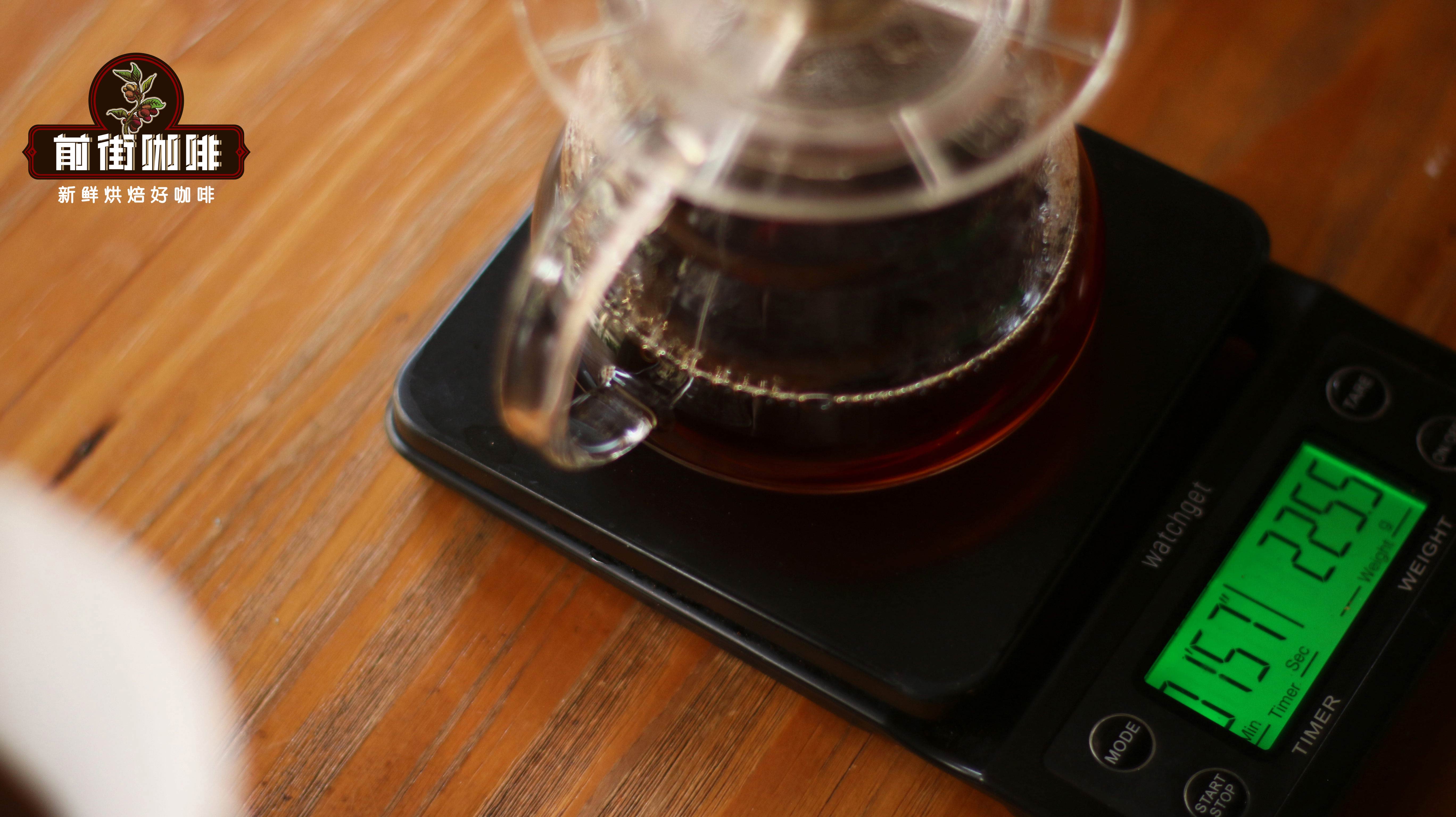
Sharing the Five Major Pour-Over Coffee Techniques | Does the Pouring Technique Affect Coffee Extraction? Flavor Comparison and Differences of Pour-Over Coffee Using the Three-Stage Volcano Pour Stirring Method
Compared to other single-origin coffees, pour-over coffee has a great many brewing methods. For example: one-pour, three-stage, volcano pour, variable-temperature brewing, stirring, and so on. Today let's get to know some of the brewing methods that commonly appear in pour-over coffee~ 1. One-pour The one-pour method and the single-pour method are still [more…]
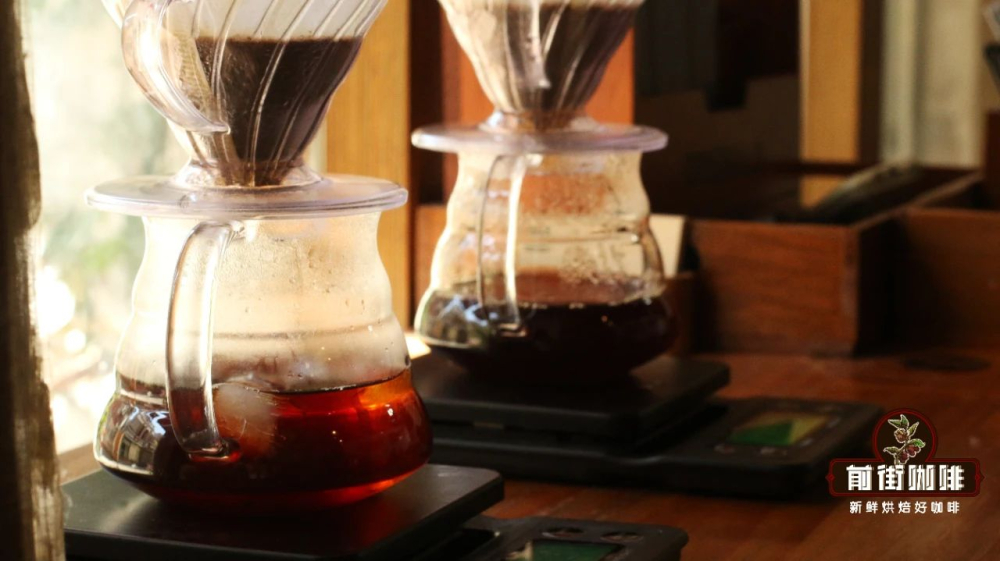
Pour-over Coffee Brewing Tips | What Is the Ideal Water Temperature for Pour-over Coffee? How Does Brewing Water Temperature Affect the Flavor and Mouthfeel of Pour-over Coffee?
If you ask whether water temperature is important for extraction, Front Street Coffee believes it is important, but not that important. As a tool for adjusting the extraction rate, the higher the temperature, the easier it is to extract soluble substances, but because too high a water temperature will cause coffee to quickly release bitterness, a conservative range should be chosen. Generally speaking, the vast majority on the market [more…]
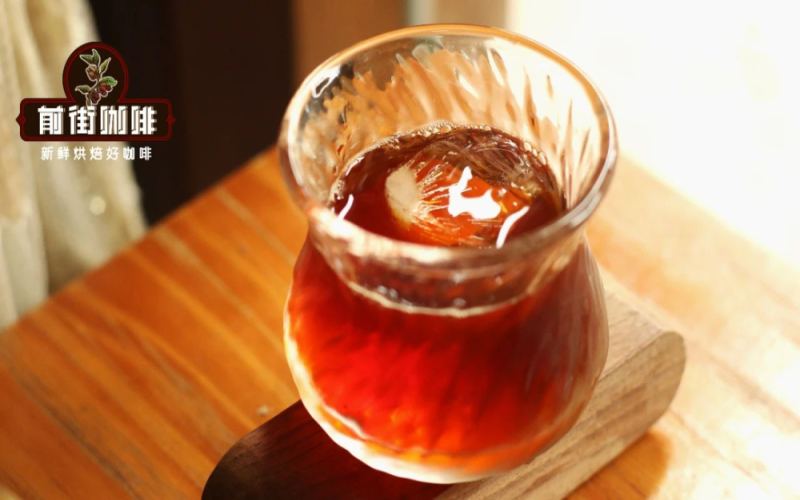
How Is Iced Pour-Over Different from Hot Pour-Over? Coffee-to-Water Ratio, Brewing Logic, and Front Street Coffee Bean Recommendations
As temperatures rise, the choice between iced pour-over and hot pour-over has become a topic of interest for many coffee lovers. The same bean, brewed as a hot drink or a cold drink, takes on completely different flavor directions. Behind this lie two different brewing logics: hot pour-over uses a full coffee-to-water ratio to extract and showcase the bean's original layers; iced pour-over reduces the water amount, increases extraction efficiency, and then relies on ice cubes to dilute and cool it down. Understanding these differences can help you more accurately judge how a bean is best brewed. This article will compare brewing principles, flavor expression, aroma characteristics, and more, and will also include Front Street's bean list recommendations for different taste preferences, so you can still enjoy the cup you love even in the heat of summer. [more…]

Analysis of Hot vs. Cold Flavor Differences in Pour-Over Coffee: Which Coffee Beans Are Better for Iced Pour-Over?
Front Street's store bean list is extensive, and many customers face a dilemma after choosing their coffee beans: should they make a hot pour-over or an iced pour-over? What exactly is the difference in flavor between the two? This article starts from Front Street's actual brewing parameters, analyzes the construction logic of iced pour-over, and conducts a hot-versus-cold comparison using four representative coffee beans—Ethiopia TOH Uraga, Papua New Guinea Bird of Paradise, Indonesia Golden Mandheling, and Colombia Flower Moon Night—evaluating them across three dimensions: aroma, flavor, and mouthfeel. The results show that hot pour-over generally has the advantage in aroma richness and layering, while iced pour-over is more popular in summer thanks to its cold-drink appeal. The article also points out that light-roast and anaerobic-process coffee beans are more suitable for making iced pour-over, while medium-dark roast beans are not very suitable. [more…]

Iced Pour-Over Coffee Bean Selection Guide: Flavor Differences Between Hot and Iced Brewing and Front Street Coffee's Recommended Bean List
In the heat of summer, iced pour-over coffee becomes the top choice for many coffee lovers. But not all coffee beans are suitable for iced brewing, and there are clear differences in flavor and mouthfeel between hot pour-over and iced pour-over. Starting from Front Street Coffee's actual brewing methods, this article compares in detail the differences between iced pour-over and hot pour-over in grind size, coffee-to-water ratio, water temperature, and pouring technique, and uses three beans—Front Street Ethiopia Huakui, Brazil Queen's Estate Yellow Bourbon, and Indonesia Golden Mandheling—for flavor comparisons. It also sorts out the types of coffee beans suitable and unsuitable for making iced pour-over, and recommends standout beans such as Front Street Ethiopia TOH Washed Champion Bean Huaxu, Front Street Strawberry Candy, Front Street Blackberry, Front Street Colombia Sidra, and Front Street Big Belly, helping you choose the right beans in summer and make a clean, refreshing cup of good coffee. [more…]

Can iced pour-over coffee be brewed directly with ice water? A detailed explanation of the extraction principles and parameters of Japanese-style iced pour-over and hot pour-over
Many people, when first encountering iced pour-over, have this thought: since hot americano uses hot water and iced americano uses ice water, then if hot pour-over uses hot water, shouldn't iced pour-over just use ice water directly? This idea sounds reasonable, but pour-over extraction is far from that simple. This article will first clarify the underlying logic of extraction, then explain why brewing with ice water is theoretically feasible but almost no one actually does it in practice, followed by an analysis of the relationship between Japanese-style iced pour-over and hot pour-over, complete parameters from Front Street Coffee for both hot and iced brewing, and finally a real result from an ice water brewing experiment, for coffee enthusiasts' reference. [more…]
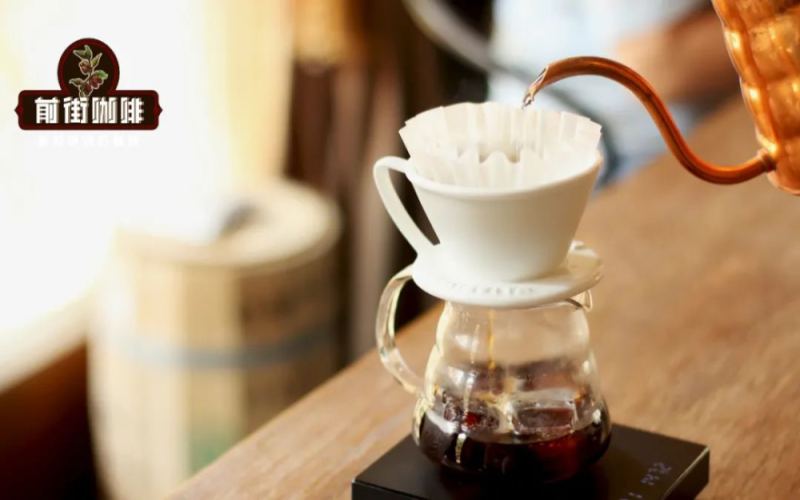
A Complete Analysis of the Flavor Differences Between Iced and Hot Pour-Over: Which Coffee Beans Are Better for Iced Brewing?
During the National Day holiday, many coffee enthusiasts visited the shop to buy coffee beans and also asked Front Street about a common confusion: the same beans, when brewed as hot pour-over, have excellent aroma and taste, but when made into iced pour-over, the flavor becomes vague, the mouthfeel is thin, and it even tastes like water. Why exactly is this? Front Street selected four coffee beans with different styles and conducted hot pour-over and iced pour-over extractions respectively, comparing them from the three dimensions of aroma, flavor, and mouthfeel. This article will take washed medium-light roast, natural medium-light roast, dark roast, and fermented beans as examples, presenting the true performance of each under the two brewing methods one by one, and deeply analyze the reasons why iced pour-over flavor becomes weaker. Finally, it will give suggestions for selecting coffee beans suitable for making iced pour-over, helping everyone enjoy a rich yet refreshing iced coffee even in hot weather. [more…]
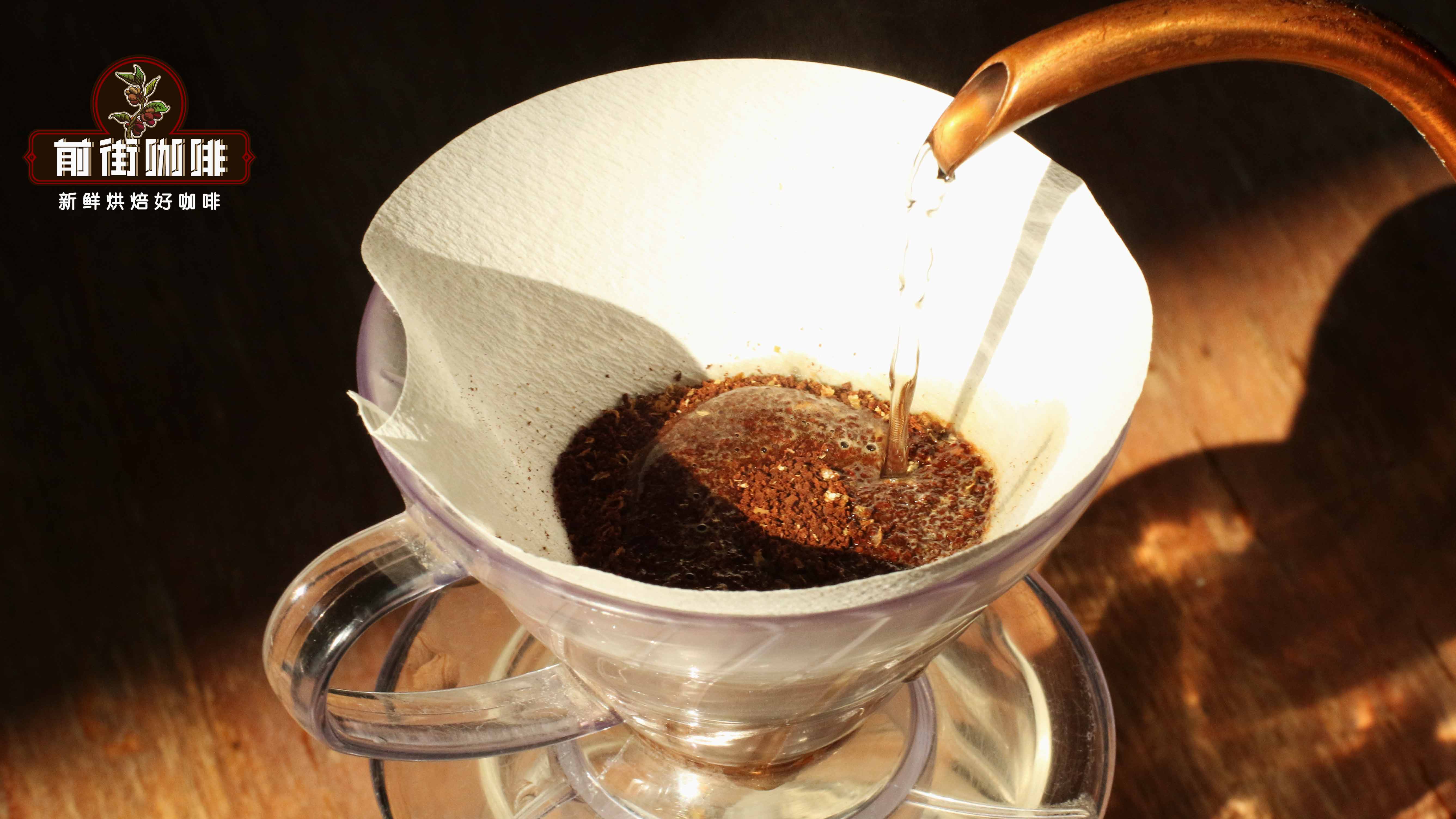
The Hot vs. Cold Pour-Over Coffee Debate: Why Choose Hot Brewing to Taste the Bean's True Flavor? The Principles of Japanese-Style Iced Pour-Over and Bean Selection Tips
Pour-over coffee, with its efficiency and convenience, has become a signature offering at many cafés. Brewed from the same bag of beans, hot and iced pour-over deliver completely different experiences. Drawing on everyday inquiries at Front Street stores, this article breaks down the differences between hot pour-over and Japanese-style iced pour-over in terms of grind size, water temperature, coffee-to-water ratio, and other parameters, explaining why hot pour-over has the edge when pursuing complete flavor, while also acknowledging the strengths of iced pour-over in cleanliness and refreshing crispness. At the end, it organizes pour-over bean recommendations from Front Street suited to different taste preferences—including Xizhua, Huakui, Strawberry Candy, as well as PWN Golden Mandheling, Queen's Estate, and Bird of Paradise—to help enthusiasts choose according to their needs. [more…]
Why Does Iced Pour-Over Coffee Taste Weaker? A Comparative Analysis of Hot and Cold Extraction with Four Different Coffee Bean Styles
Both are pour-over coffees, but just how big is the difference in taste between the hot version and the iced version? Many coffee enthusiasts have noticed that certain beans, when brewed hot, are full of aroma and layered with complexity, yet once turned into iced pour-over, they become as bland as water. To get to the bottom of this, Front Street Coffee selected four coffee beans with distinctly different profiles and brewed each as both hot pour-over and iced pour-over, comparing them one by one across three dimensions: aroma, flavor, and mouthfeel. This article not only presents the detailed comparison results, but also starts from the principles of extraction to explain why iced pour-over tends to lose flavor, and offers advice on selecting coffee beans suitable for making iced pour-over. [more…]
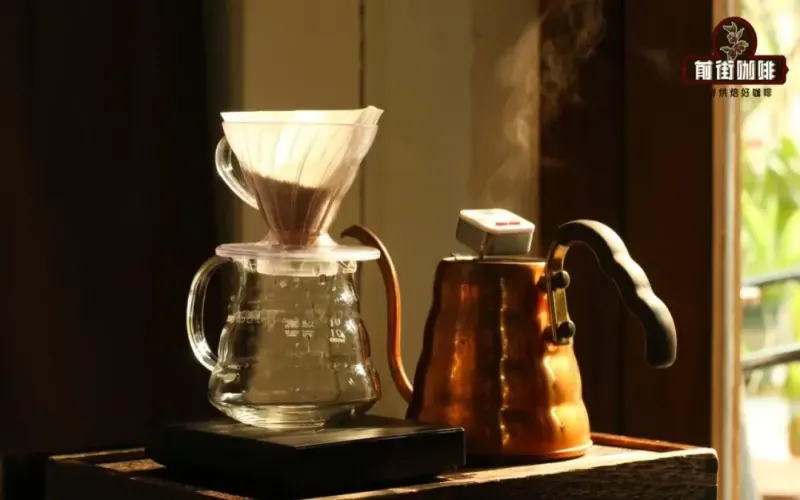
Can espresso blend beans be used for pour-over and cold brew? An analysis of grind size and water temperature parameters for dark roast coffee
Pour-over and espresso differ significantly in the texture of the final cup due to their different extraction methods and filtering devices—pour-over is cleaner, while espresso is richer and more full-bodied. This leads many people to try using espresso beans for pour-over, or pour-over beans for espresso. In reality, the two are simply different extraction methods, and there is no absolute boundary between the beans themselves. However, espresso beans are usually roasted darker, so when used for pour-over, the parameters need to be adjusted to reduce extraction efficiency and avoid over-extraction. This article will specifically explain how to set key parameters such as grind size, water temperature, and coffee-to-water ratio when using espresso blend beans to make pour-over and cold brew coffee, and will recommend several Front Street Coffee beans that work well for espresso, pour-over, and cold brew alike. [more…]
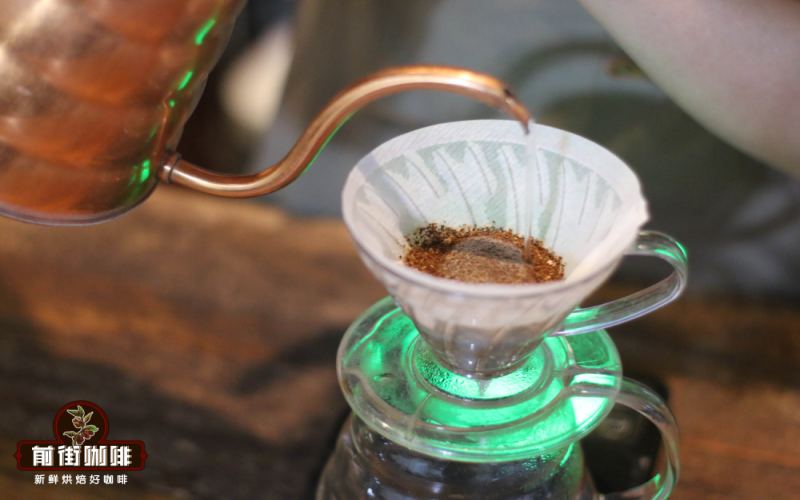
Intro to Pour-Over Coffee | How Can Coffee Beginners Make Specialty Pour-Over Coffee at Home? What Coffee Equipment Is Needed to Make Pour-Over Black Coffee?
Why is pour-over coffee so fascinating? What is the key to a good cup of pour-over coffee? In the following article, FrontStreet Coffee will introduce the basics of pour-over coffee, so you can brew great coffee at home too! What is pour-over coffee? Pour-over coffee, as the name suggests, [more…]